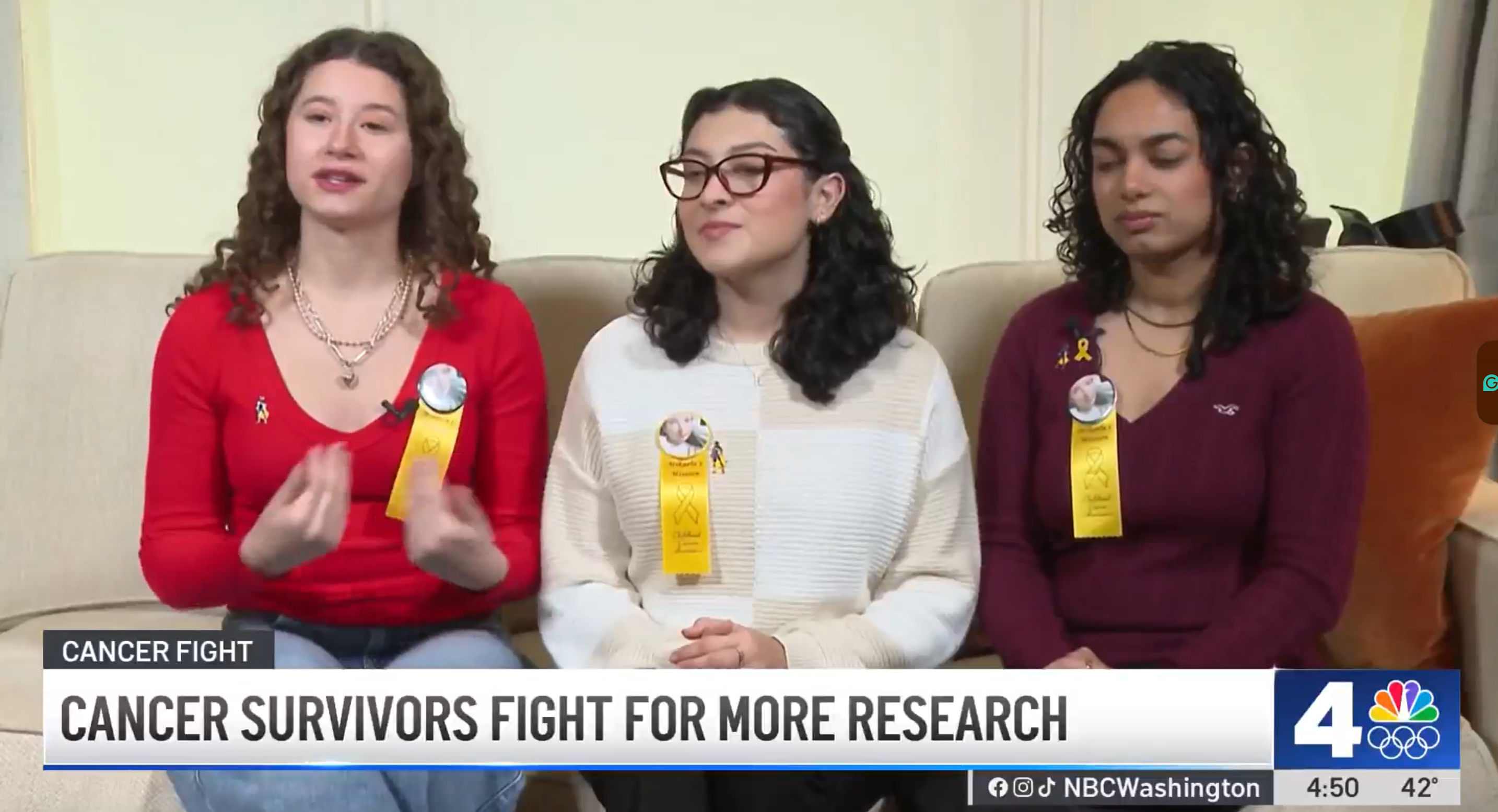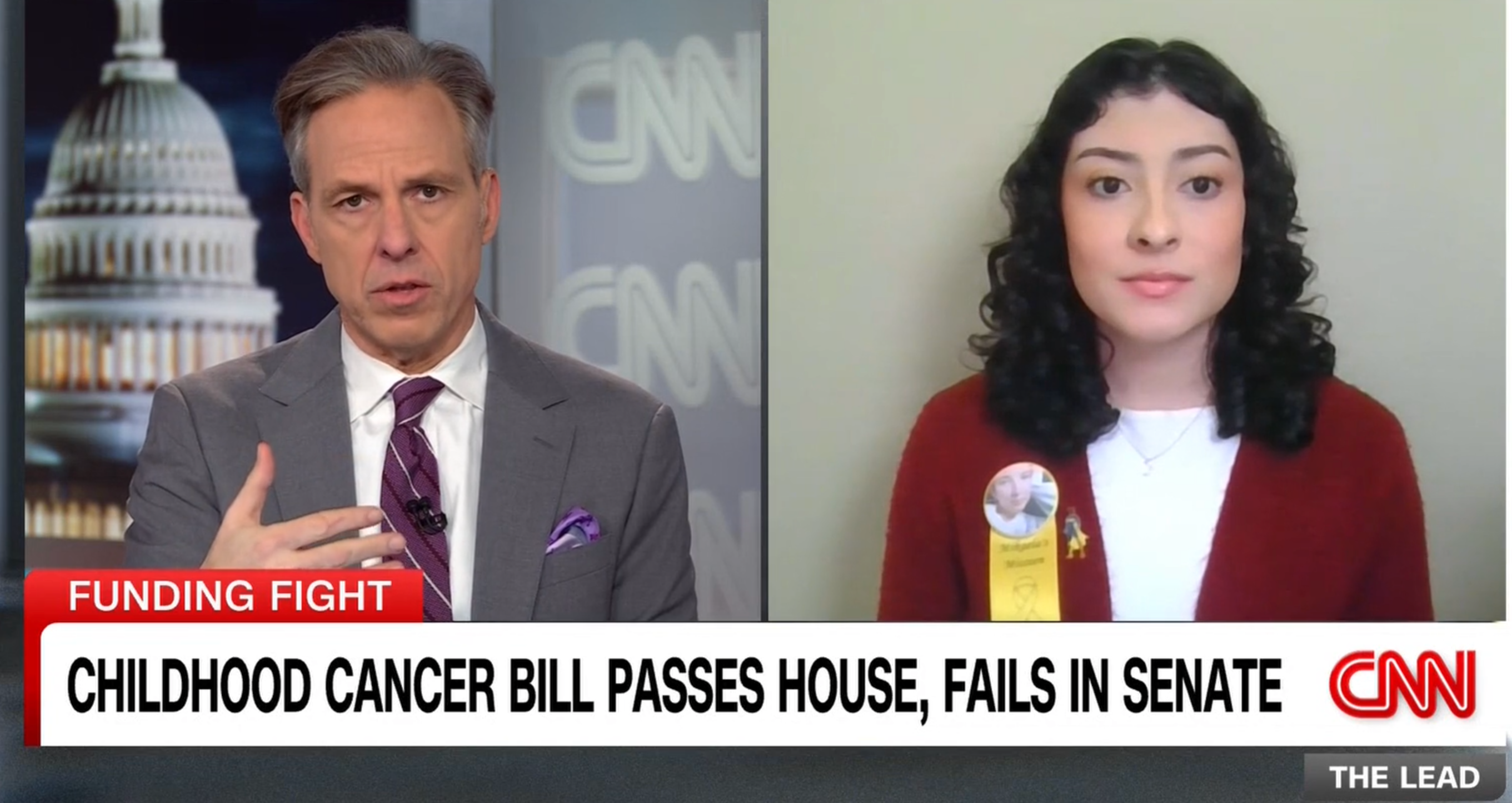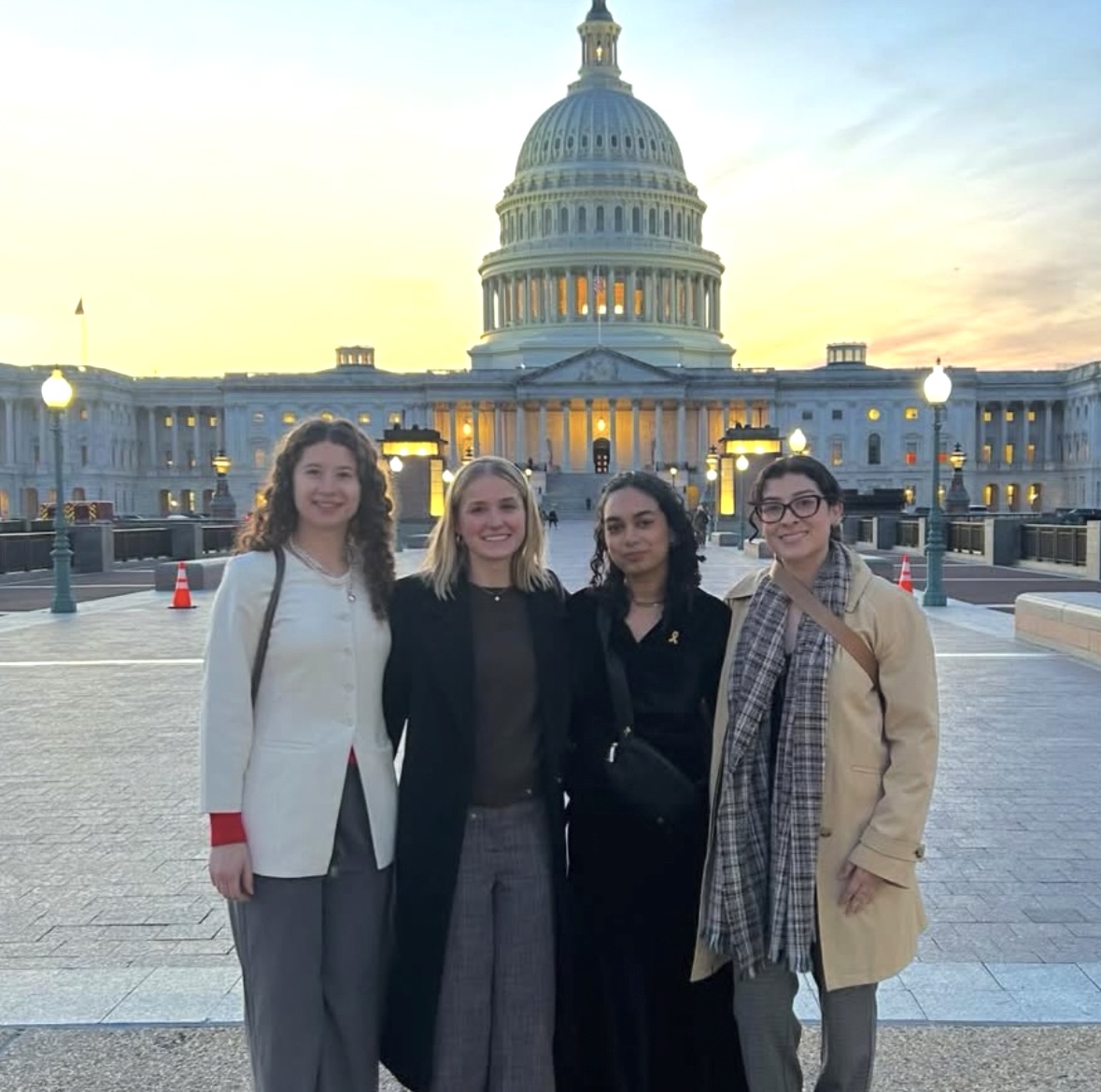
Members of MIB Agents’ Junior Advisory Board - Inaaya, Camille, and Sammy - are osteosarcoma survivors who have advocated for the Mikaela Naylon Give Kids a Chance Act in loving memory of their friend Mikaela and in honor of other OsteoAngels who have passed. Carrying forward the stories, love, and legacies of those they have lost, they have shared this fight on Capitol Hill and on national platforms, including interviews with NBC and CNN. They speak to what this legislation means to them, what it is like to stand together in advocacy, and why they remain committed to showing up for this cause - no matter how long the path forward may be.
To start, could you briefly introduce yourself and share your connection to JAB and the Mikaela Naylon Give Kids a Chance Act?
Inaaya: My name is Inaaya Shariq, and I have been on JAB since last year. Mikaela and I have been friends since 2022 when we were 13 at camp, and we advocated for the Give Kids A Chance Act last September.
Camille: My name is Camille Brady and I am a two-time childhood cancer survivor. I joined JAB last year, and I couldn’t be happier with my decision. My advocacy for the Mikaela Naylon Give Kids a Chance Act began in September when JAB climbed Capitol Hill with Kids v. Cancer. It was an incredible experience—one that proved there’s power in numbers. It was also when I met Mikaela for the first time, and I was honored to stand alongside her in support of this bill.
Sammy: My name is Sammy Ulloa, and I am an osteosarcoma survivor and the President of MIB Agents’ Junior Advisory Board. I have advocated in Washington, D.C. twice with Kids v Cancer, alongside friends who were fighting for this legislation knowing it would not save them but hoping it would save others. The Mikaela Naylon Give Kids a Chance Act is deeply personal to me because it carries the names, love, and legacy of friends who believed every child deserved a real chance at a future.
From your personal perspective, what does the Mikaela Naylon Give Kids a Chance Act represent, and why does this legislation matter to you specifically?
Inaaya: The Mikaela Naylon Give Kids A Chance Act represents Mikaela’s resilience, strength, empathy, and legacy through this Act, which also mentions her long fight with cancer. GKAC not only represents Mikaela but also represents the 17,000 other kids who get cancer yearly who fight just like Mikaela.
Camille: The Mikaela Naylon Give Kids a Chance Act represents a long-overdue response to a decades-old problem in pediatric oncology. For nearly fifty years, children with cancer have been treated with largely unchanged regimens that often fall short. This legislation would help ensure that pediatric patients can access therapies that reflect modern scientific advances. While it’s too late to change the outcome of my own cancer journey, passing this bill will ensure that future patients have access to safer, more targeted and effective therapies that work the first time, not the last.
Sammy: From my personal perspective, the Mikaela Naylon Give Kids a Chance Act represents courage, urgency, and love. It represents children and young adults who were failed by a system that moved too slowly, and who still chose to fight for something bigger than themselves. This legislation matters to me because my friends Penelope, Mikaela, and Carrigan poured their remaining energy into it. They knew it would not change their own outcomes, but they cared deeply about changing outcomes for others.
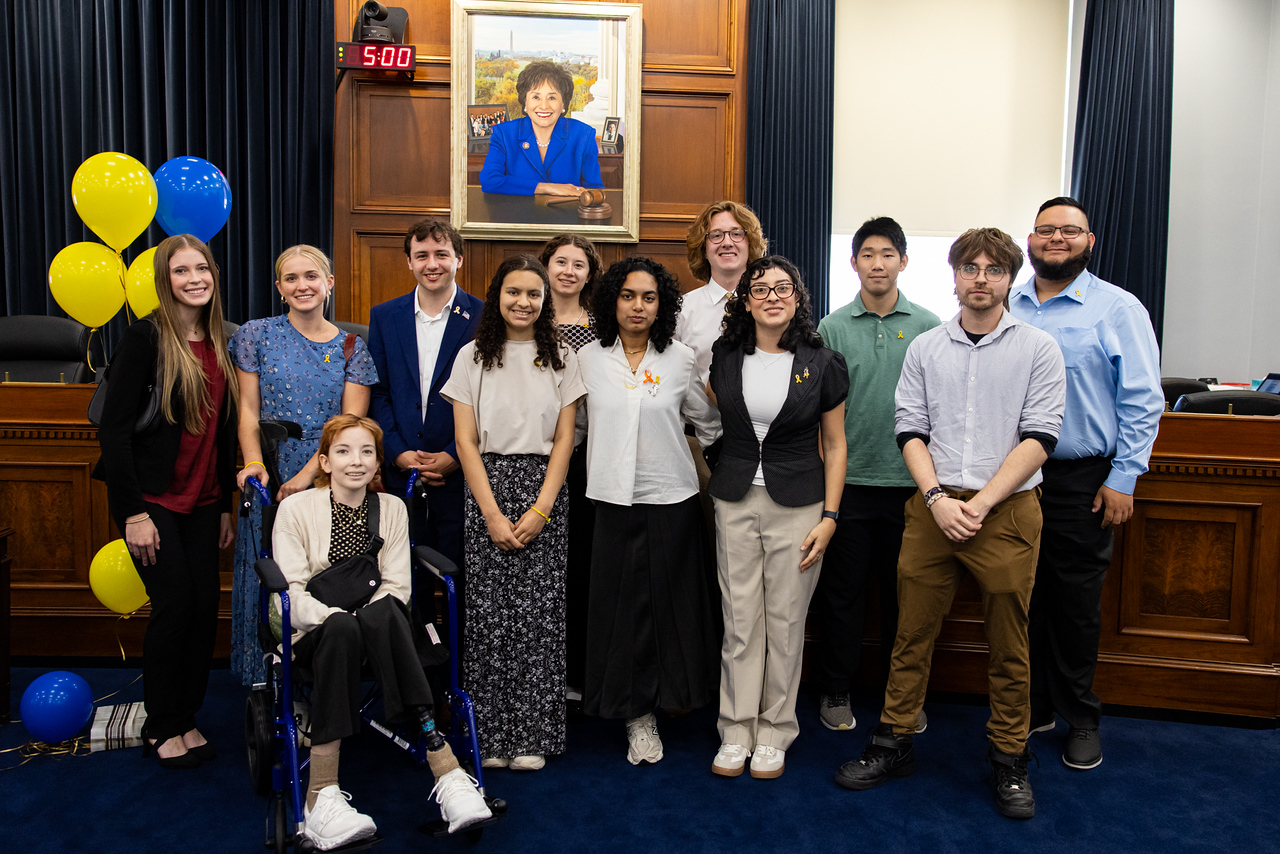
When the bill passed in the House, what did that milestone mean to you, and why was it such an important moment?
Inaaya: As Mikaela’s friend, it was such an important moment for me personally for my grief. That Mikaela’s story is literally written down in legislation. When I first found out about Mikaela passing away, a little after I found out about the Act being renamed in her honor, which made it all so bittersweet and nostalgic of our friendship over the past 3 years.
Camille: This moment was a huge milestone for pediatric cancer. Although we’d been here before, I felt empowered knowing that Congress was going to give kids, and especially families, another chance. It gave me hope that meaningful progress was still possible, and that the House understood how important and life-changing this bill would be.
Sammy: When the bill passed in the House, it felt like a long overdue step in the right direction. It meant hope for kids and AYAs beyond ourselves. It felt like proof that our voices, our stories, and our losses mattered. For a moment, it really felt like the system was finally listening to us.
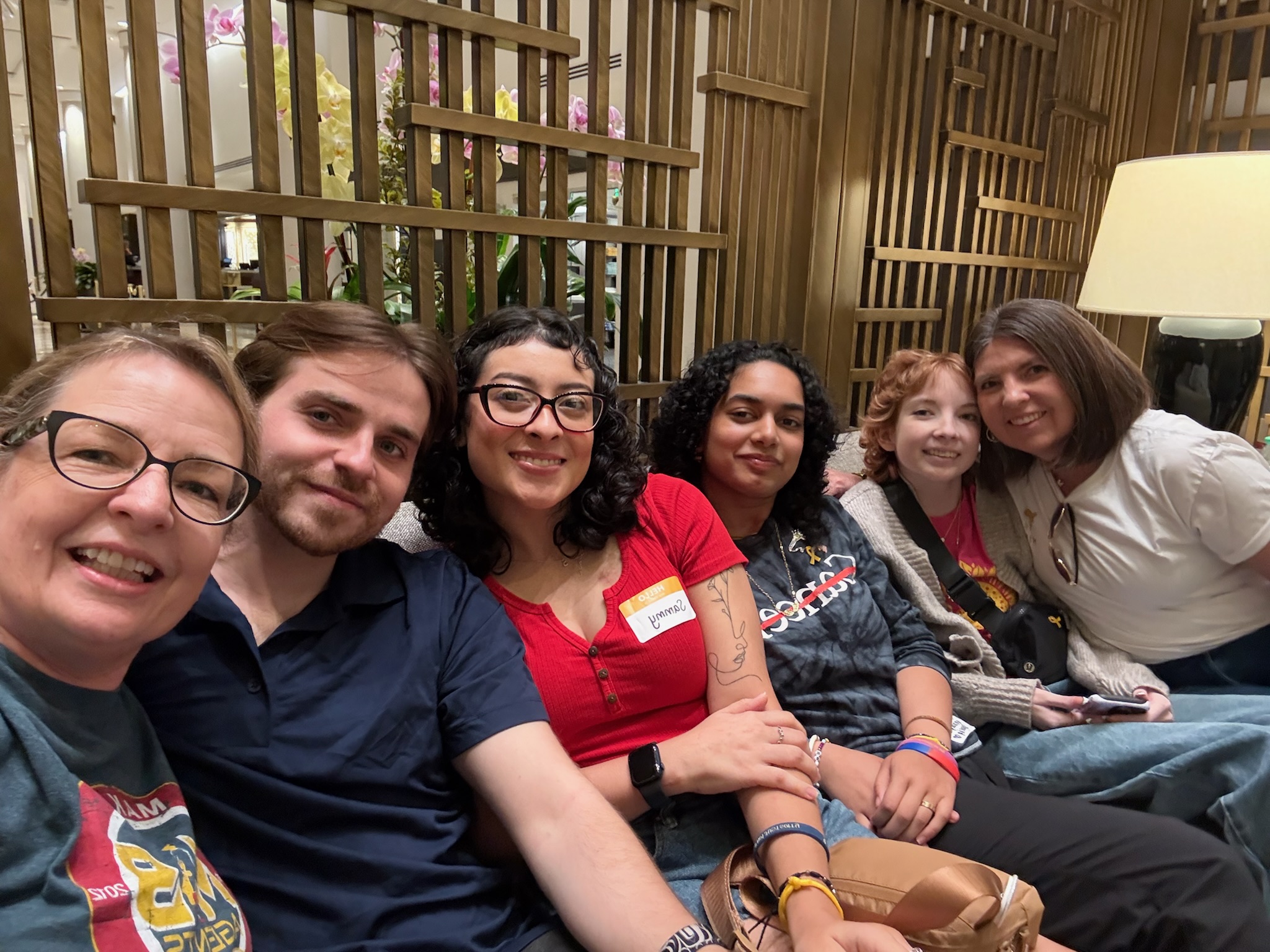
You were present in the House when the Mikaela Naylon Give Kids a Chance Act passed. What was that moment like for you personally, and what did it mean to witness it firsthand?
Inaaya: It was so surreal to sit in the House and see the Mikaela Act get passed through. Especially as someone who loves politics and does government clubs at school, I liked listening and actually understanding what they were saying in legal terms about the Act. It was such a great opportunity to witness and see politicians share about my friend’s story.
Camille: Being in the House gallery for that vote was an incredibly powerful experience, even if the process itself felt quieter than I expected (the House floor was practically empty). Representative McCaul eloquently told Mikaela’s story and made sure her photo was visible on the House floor. He also acknowledged that her family was sitting in the gallery. When members looked up toward us, it felt like a rare moment of connection. It felt like they truly saw the people behind the policy, and that our presence mattered.
Sammy: Being present in the House gallery when the bill passed was incredibly emotional. I was back in the same place where I had advocated for this bill alongside Mikaela, only this time she was not physically there with me. I carried her with me in that room. Witnessing that moment firsthand felt like honoring her, Penelope, and every young person who used their limited time to fight for something bigger than themselves.
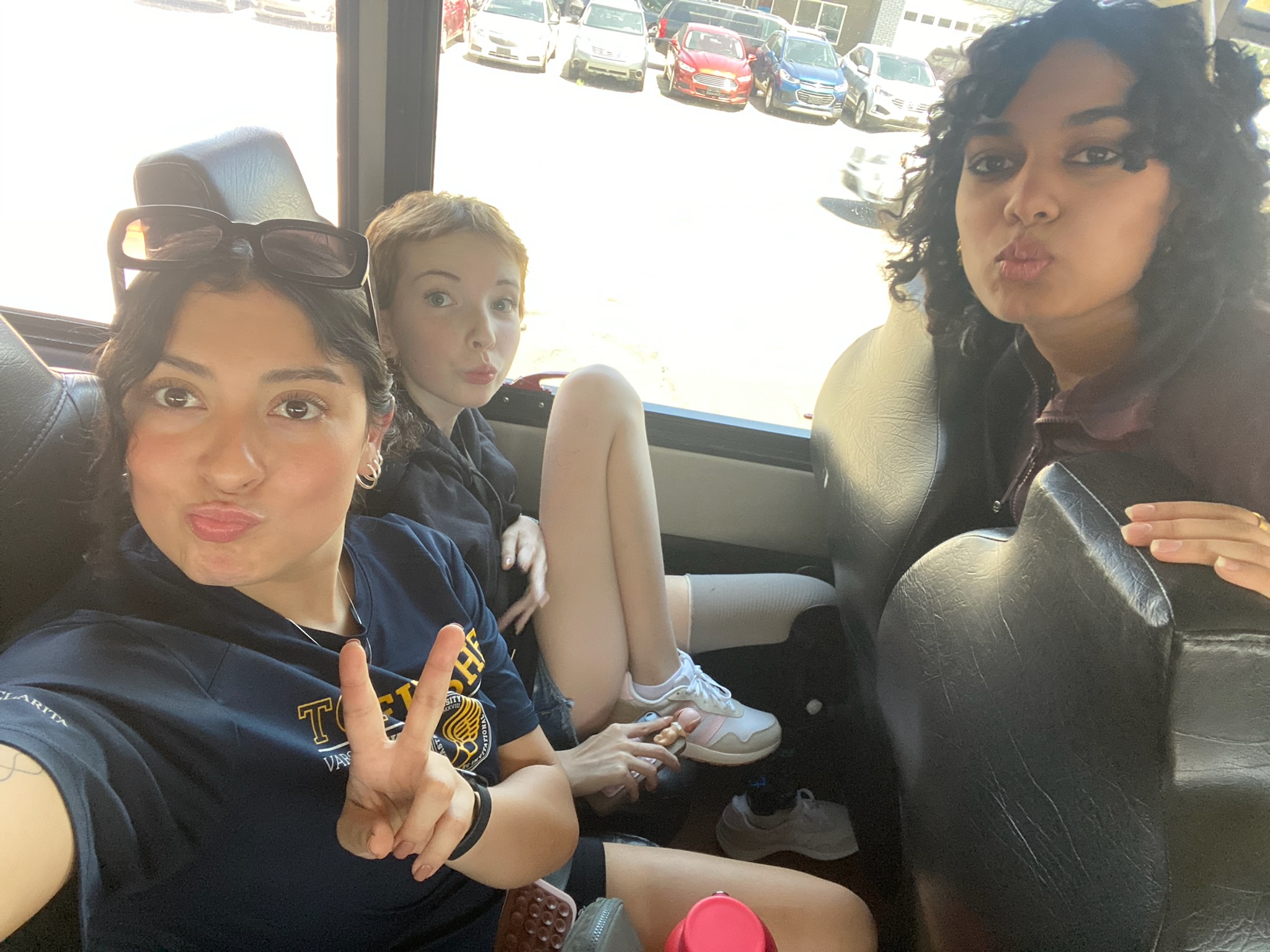
JAB has played a key role in advocating for this legislation. What role have you personally played in the journey of this bill, and what part of that work has stayed with you the most?
Inaaya: JAB went down to the Capital and advocated for the Act to Senators and Representatives, leading small groups independently to meetings. That was so important personally, and I felt went successful. We also sent out emails to members of Congress to express our stories and the meaning behind to Act to get them prepared for learning about childhood cancer more and what they can really do about it.
Camille: It started with an email campaign, where JAB sent their stories to congressional offices. That effort flourished into a Hill day where over 100 advocates joined together to meet with congressional staffers and educate them on the Mikaela Naylon Give Kids a Chance Act. I co-led an advocate group of 7 survivors, patients, friends, and siblings. We met with four congressional offices, sharing our stories and expressing why this bill matters. The JAB also got the opportunity to meet directly with Representative McCaul at his annual Childhood Caucus Summit and speak to staffers on the Senate side. Once the bill gained enough traction, I was able to sit in the House gallery and watch it pass, just to then watch it fail in the Senate a couple of weeks later. Although that moment of defeat will always be stuck in my mind, nothing compares to the time I spent advocating on the Hill with my small group, making our voices heard.
Sammy: As both a JAB member and President, I have helped advocate for this bill through meetings with congressional staffers and representatives, sharing lived experiences and amplifying patient voices. As well as doing multiple interviews to elevate the importance of this bill. What has stayed with me the most is remembering the conversations I had with my friends while advocating together. They were exhausted and facing impossible realities, but still focused on helping other kids and AYAs.
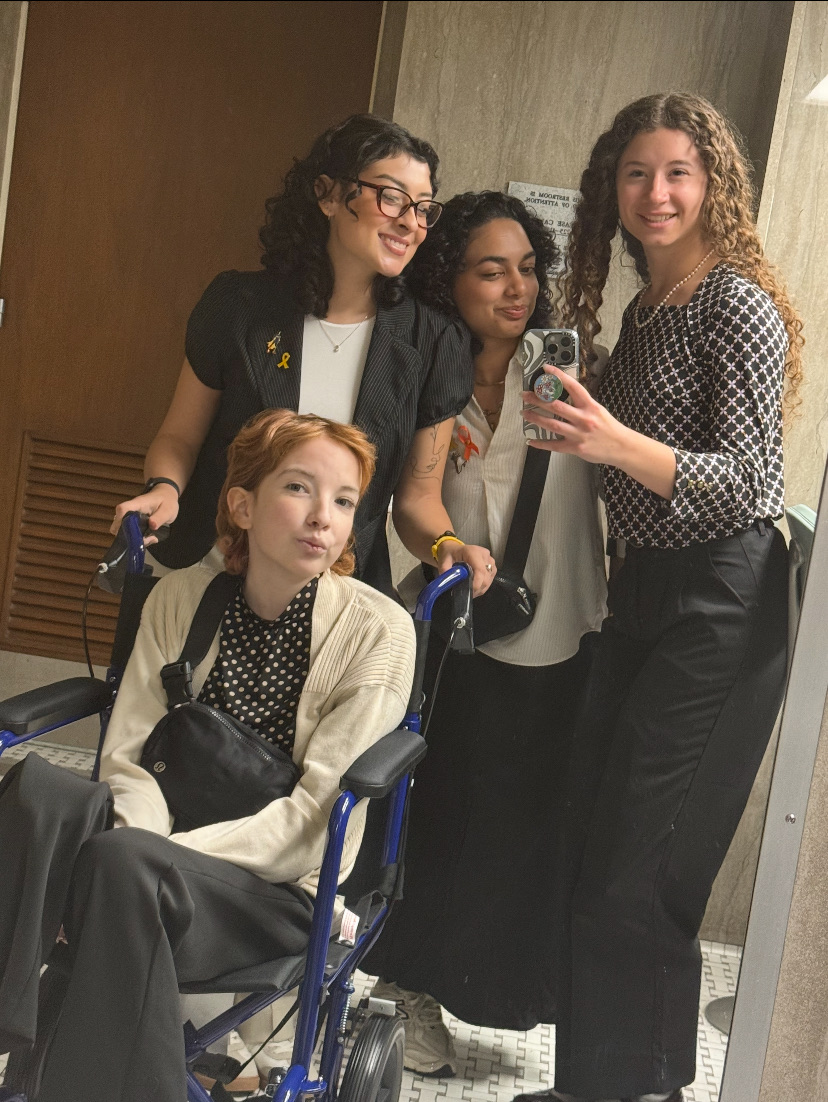
When the bill did not move forward in the Senate, how did that moment feel for you, and how did it shape your determination to keep advocating?
Inaaya: It really sucked. There isn’t really any other way to say it. It felt weird to hear it when it happened, and greatly upsetting. It just motivated me to keep advocating; however, if it passed unanimously through the House with us advocating, then if we do more, then it should have passed through the Senate.
Camille: The failed Senate vote was devastating. The Mikaela Naylon Give Kids a Chance Act has the potential to accelerate access to combination therapies that could be transformative for pediatric patients, and further delays come at a real cost. Watching the bill stall after so much effort was painful, and I left the Senate gallery feeling discouraged. The Senate failed to act when action was urgently needed, allowing unrelated funding disputes and political considerations to overshadow the core purpose of the bill. Even so, I’m still here, continuing to explain what this legislation could mean for the pediatric cancer community. The stakes are simply too high to step back now.
Sammy: When the bill did not move forward in the Senate, my heart ached. I thought about Penelope and how much this legislation meant to her, how she used the last of her time here to push for something bigger than herself. Experiencing that same disappointment again with Mikaela and Carrigan was devastating. It was painful to see history repeat itself and to feel that those in power were not prioritizing giving kids a real chance at a future. But that pain drives me to keep pushing for better.

Looking ahead, what gives you the most hope as the Give Kids a Chance Act continues its path forward? What keeps you motivated to continue showing up for this fight, even when progress feels slow?
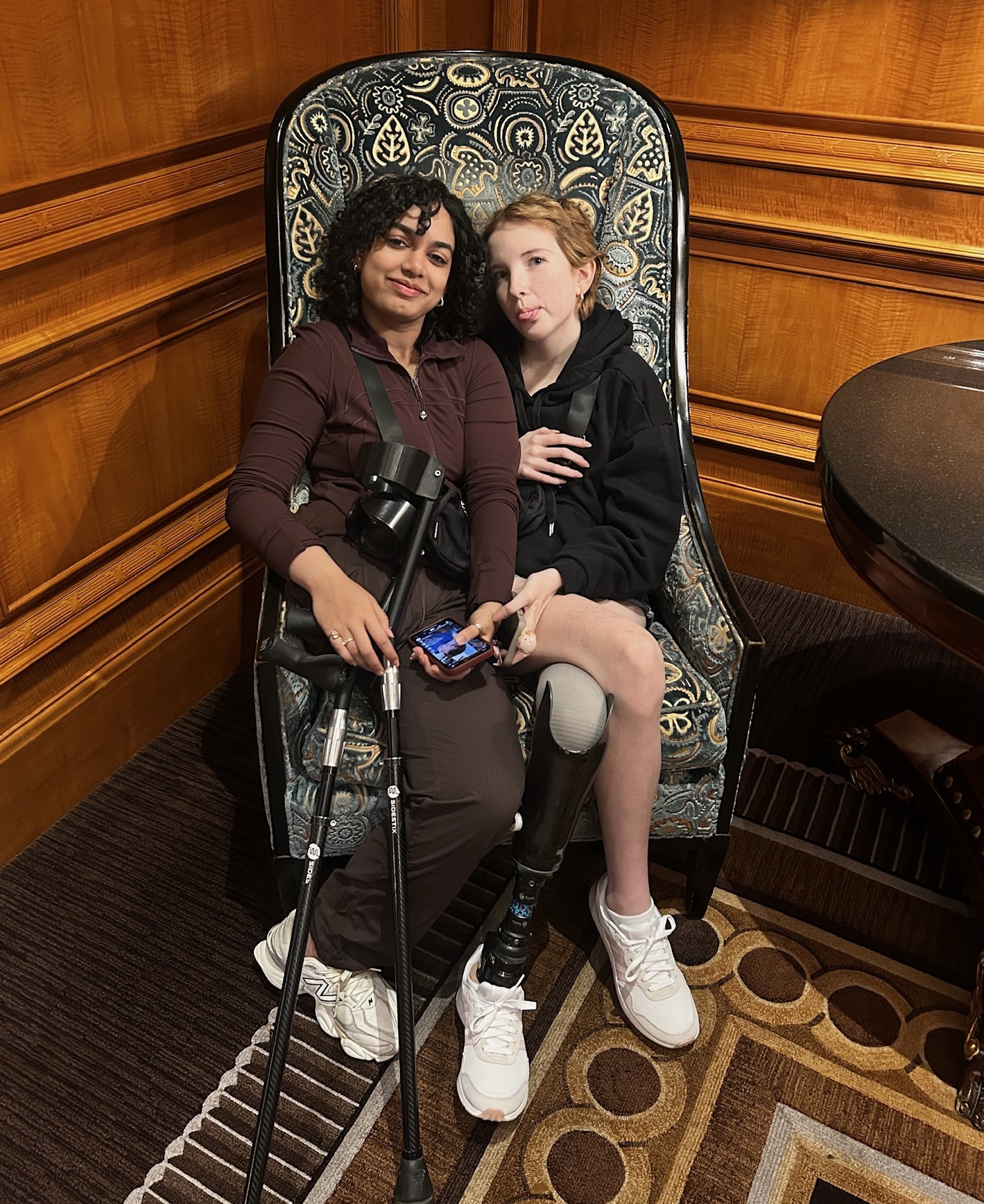
Inaaya: Community gives me hope. MIB Agents, meeting so many people with similar experiences and being able to make relationships that last so long. Cancer camps too -I met Mikaela at a ski camp, and in a week we became so close and still kept in contact after so long. The more people I meet with stories about fighting cancer and going through similar things I have, it lessens the pain of having had cancer and now having a disability because of it, and it increases the contentment that I now have so many people in my life that influenced me to be the person I am today, that I couldn’t have been without having cancer. And those people are the reason I keep advocating today and tomorrow, even when it all gets so slow.
Camille: The people behind this effort give me the most hope—patients, survivors, families, and advocates like Mikaela. I’ve seen how powerful personal stories can be when they are shared with purpose. That collective voice is what will keep this bill moving forward.
Sammy: What gives me hope is the community behind this bill. It is driven by love, loss, and an unshakable belief that kids deserve better. When setbacks happen, it does not quiet us - it pushes us harder. I find hope in the people standing beside me, advocating for those still fighting, honoring those we have lost, and trying to make it better for those who have yet to be diagnosed. What keeps me motivated are the memories of my friends and the conversations we shared about the world we wanted to leave behind. We went through a shared traumatic experience, and my outcome was different. I carry a lot of guilt because of that. But I know they would want me to keep going. I know they would want us all to keep pushing. My voice is their voice now and forever.